Seed mix as a bird’s main diet is one of the most common starting points for new bird owners — and one of the things avian vets bring up most often as a problem, not a solution.
Myth: A Seed Mix Is a Complete Diet
Reality: Seed-only diets are consistently linked to nutritional deficiencies in pet birds, since birds tend to selectively eat their favorite seeds (usually the fattiest ones) and leave the rest, undermining whatever «balance» the mix was designed with. Most avian vets recommend a pelleted diet as the base, with seeds, fresh vegetables, and the occasional fruit as a smaller supplement — not the other way around.
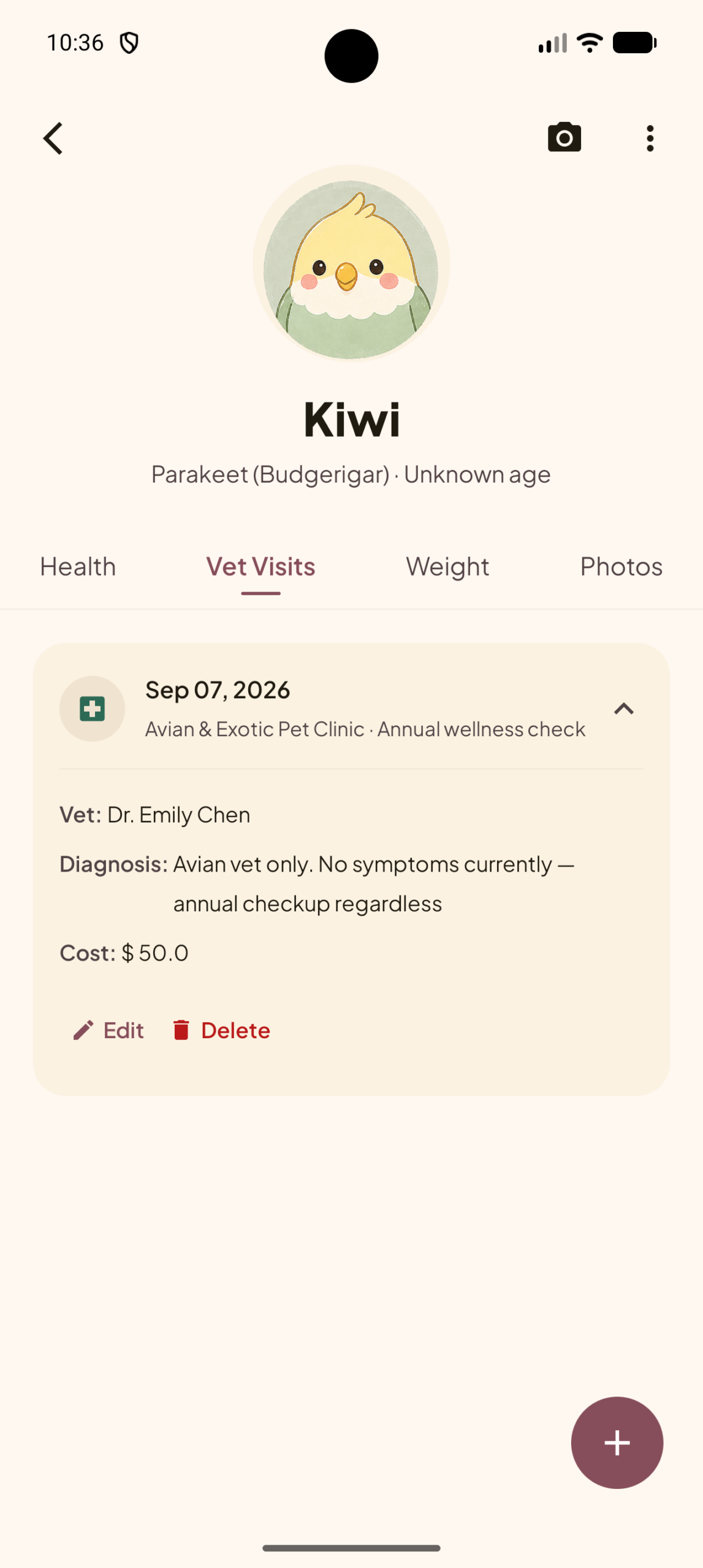
Myth: Birds Don’t Need Regular Vet Visits If They Seem Fine
Reality: Birds are prey animals, and hiding illness is a survival instinct that carries directly into pet birds — a bird that «seems fine» can be seriously ill by the time visible symptoms appear. An annual wellness check with an avian-specific vet (not just any general vet) is commonly recommended even for birds showing no symptoms at all.
Myth: A Cage in Any Room Is Fine
Reality: Location matters more than it seems. Kitchens are a specific risk — nonstick cookware releases fumes when overheated that are toxic to birds, sometimes fatally, in a way that’s harmless to humans in the same room. A cage in or near a kitchen is a more common hazard than most new owners realize.
Myth: Clipping Wings Is Cruel or Unnecessary
Reality: This one is genuinely debated among bird owners, and the honest answer is «it depends» rather than a clear myth or fact. Wing clipping is a safety measure some owners and vets recommend to prevent injury from flying into windows, ceiling fans, or escaping through an open door — done correctly, it’s not painful, similar to a nail trim. Others prioritize keeping birds fully flighted for exercise and natural behavior in a bird-proofed space. Neither position is objectively wrong; it’s a decision worth discussing with an avian vet based on your specific setup.
What Pet Birds Actually Need Daily
- Pelleted diet as the base, roughly 70-80% of intake for most species
- Fresh vegetables daily — dark leafy greens are commonly recommended
- Fresh water changed daily, not just topped up
- Out-of-cage time for exercise and mental stimulation, if the species and setup allow it safely
What to Do This Week
- Check what percentage of your bird’s diet is currently seed vs. pellets — if it’s seed-heavy, a gradual transition (not abrupt, which some birds resist) is usually the recommended approach
- Confirm your cage isn’t near a kitchen with nonstick cookware in regular use
- If it’s been over a year since a vet visit, that’s worth scheduling even without visible symptoms
Staying on Top of It
Annual wellness exams are the one that’s easiest to lose track of for birds specifically, since there’s no obvious «due date» reminder the way a vaccine has. Mochi’s vet visit reminders work the same way regardless of species, so an annual bird checkup shows up on the same calendar as everything else, instead of depending on remembering «it’s probably been about a year.»