Syrian and dwarf hamsters get sold side by side at most pet stores, look similarly small and fuzzy, and have almost nothing else in common when it comes to care — starting with the fact that Syrian hamsters must live alone, while some dwarf species can sometimes live in same-sex pairs or groups if introduced correctly.
Quick Reference: Daily and Weekly Tasks
| Task | Frequency | Notes |
|---|---|---|
| Fresh food and water | Daily | Hamsters are nocturnal — check food levels in the evening, not just morning |
| Spot-clean visible waste | Daily to every few days | Hamsters often designate one cage corner as a bathroom area, making spot-cleaning fast |
| Full cage clean | Every 1-2 weeks | More often for Syrian hamsters in smaller enclosures; scent marking means a cage never smells fully «neutral» between cleans |
| Wheel size check | Once, then as needed | Undersized wheels are extremely common and can cause spinal issues over time — a Syrian hamster needs a substantially larger wheel than a dwarf hamster |
The Syrian vs. Dwarf Mix-Up
This is the single most common mistake new owners make, and it usually isn’t caught until there’s a problem:
- Syrian hamsters are solitary and must be housed alone as adults — even siblings raised together will eventually fight, sometimes seriously, once they reach maturity
- Dwarf hamsters (Roborovski, Campbell’s, Winter White) are sometimes kept in same-sex pairs or small groups, but only if introduced young and monitored closely — it’s not guaranteed to work, and separating at the first sign of aggression matters
- Pet stores don’t always clearly label which type a hamster is, and cage setups (space, wheel size) that work for one type are often wrong for the other
Diet Basics
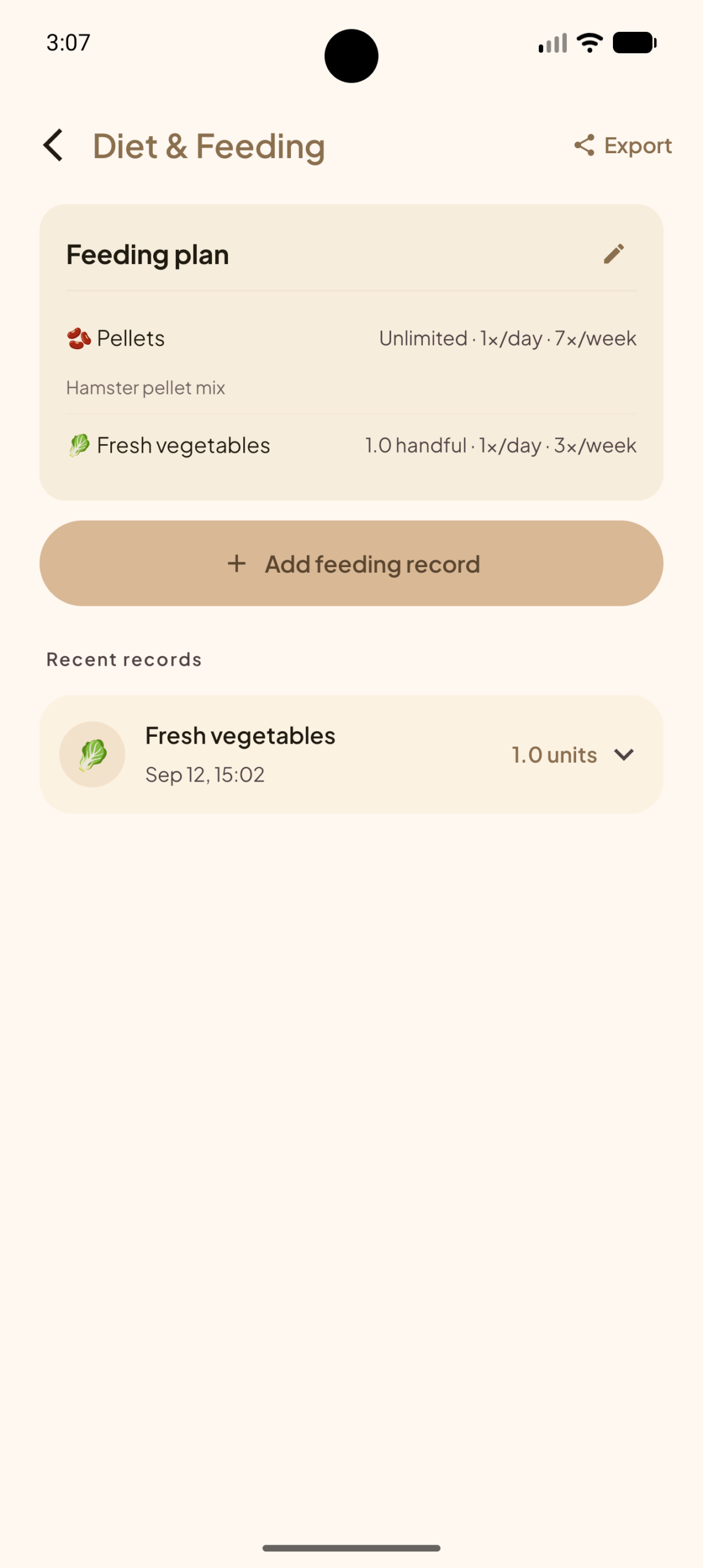
- A commercial hamster-specific pellet or seed mix as the base, not a generic «small pet» or gerbil mix
- Fresh vegetables in small amounts a few times a week — not daily in large quantities, since hamsters are prone to diarrhea from too much fresh produce at once
- Occasional protein (a small piece of cooked egg or plain chicken) is commonly recommended and often overlooked, since hamsters are omnivores, not strict herbivores
- Avoid sugary treats more strictly with dwarf species — some dwarf hamsters have a genuine predisposition to diabetes, unlike Syrians
Signs Worth Watching
- Wet tail (a real, sometimes serious condition despite the informal-sounding name) — watery diarrhea combined with lethargy is not something to wait out, particularly in younger hamsters
- Overgrown teeth (continuously growing, like a guinea pig’s) — drooling or reduced eating can indicate they’re not being worn down naturally
- A cheek pouch that looks permanently full or lopsided can indicate an impaction, which sometimes needs a vet’s help to resolve
What to Do This Week
- Confirm which type of hamster you have (Syrian vs. a dwarf species) if you’re not certain — it changes housing, wheel size, and social needs
- Measure the current wheel — a Syrian hamster generally needs at least an 8-9 inch diameter wheel to avoid spinal strain
- Check how long it’s been since the last full cage clean, especially if odor has been building
Staying on Schedule
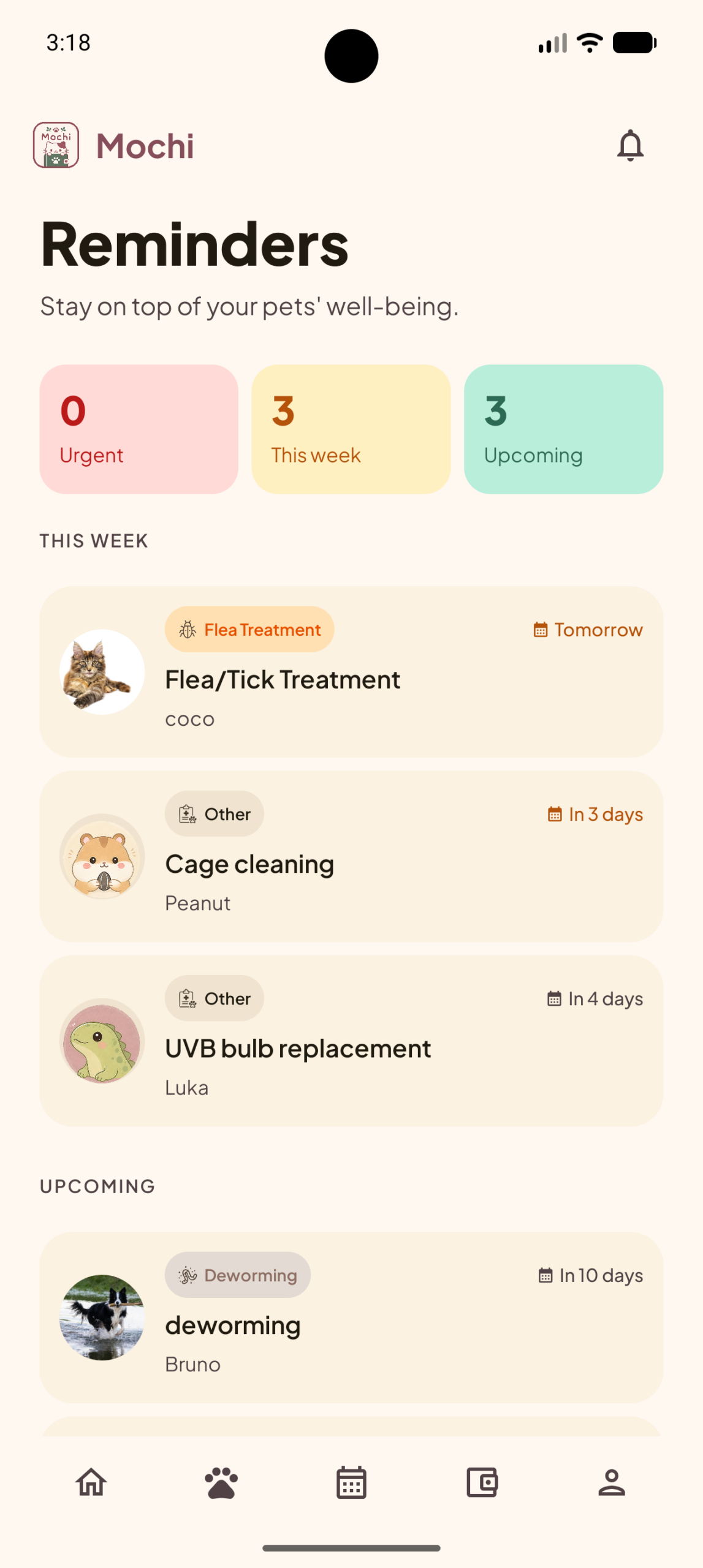
Hamster care schedules are short and frequent rather than occasional and big — daily food checks, near-daily spot cleans, wheel and cage checks that are easy to let slide once the routine feels automatic. Mochi lets each of these run on its own interval, so a daily food check and a biweekly full clean don’t collapse into one vague «take care of hamster» reminder that’s easy to stop noticing after the first few weeks.